DEXI
From Reconnection to Rocketship: How DroneBlocks Partnered with TAMUK for Engineering Week 2026
February 25, 2026 — 4 minutes
At DroneBlocks, our mission is Elevating K through Life — we meet students wherever they are and give them real tools to learn programming, problem solving, and drone technology using open source hardware and software. This partnership with Texas A&M University Kingsville (TAMUK) is one of the best examples of that mission in action.
How We Met Marietta Saenz
We first crossed paths with Marietta Saenz through the Advanced Vertical Robotics (AVR) competition. AVR is a drone and robotics competition created by Bell Flight that challenges high school teams to design, build, and fly aerial robotics platforms while solving engineering tasks like autonomous coding, payload mechanism design, 3d printing, building, and configuring. Each team receives a kit 12 weeks before competition day and must put together a working system from scratch. It’s a serious program with endless opportunities for learning and development in the growing industry of AVR.
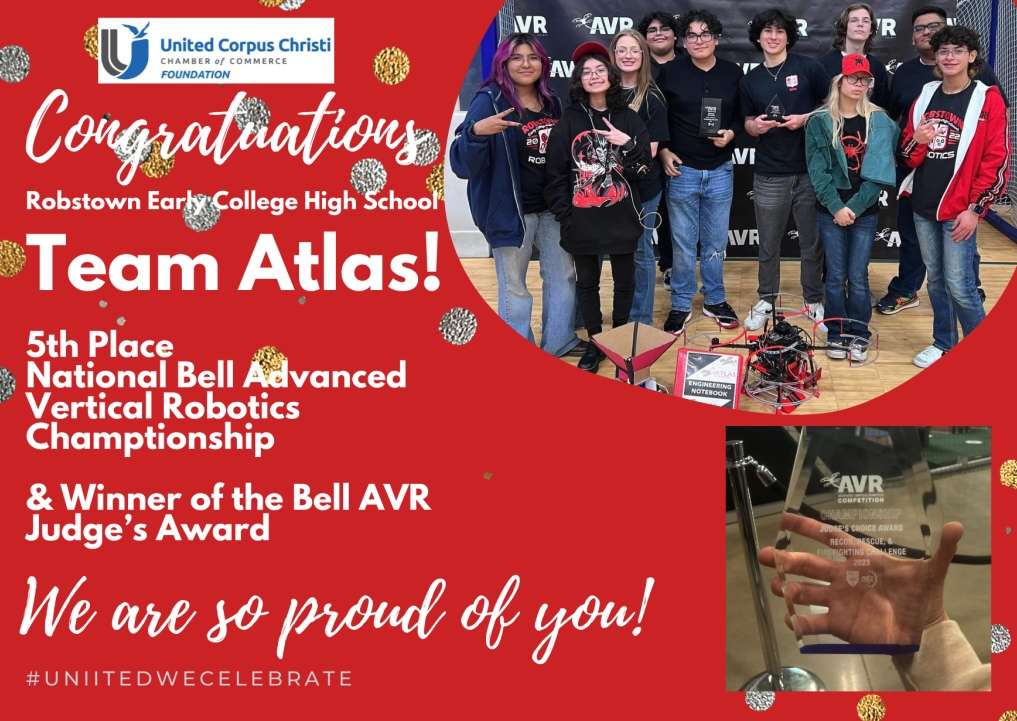
Marietta was coaching Team Atlas out of Robstown Early College High School in south Texas, and that’s where we connected. Marietta’s dedication and commitment to her students was visible and inspiring. It was clear that she understood the importance of hands-on STEM education and knew that this knowledge and experience would give them tools to shape their futures.
Reconnecting at TAMUK
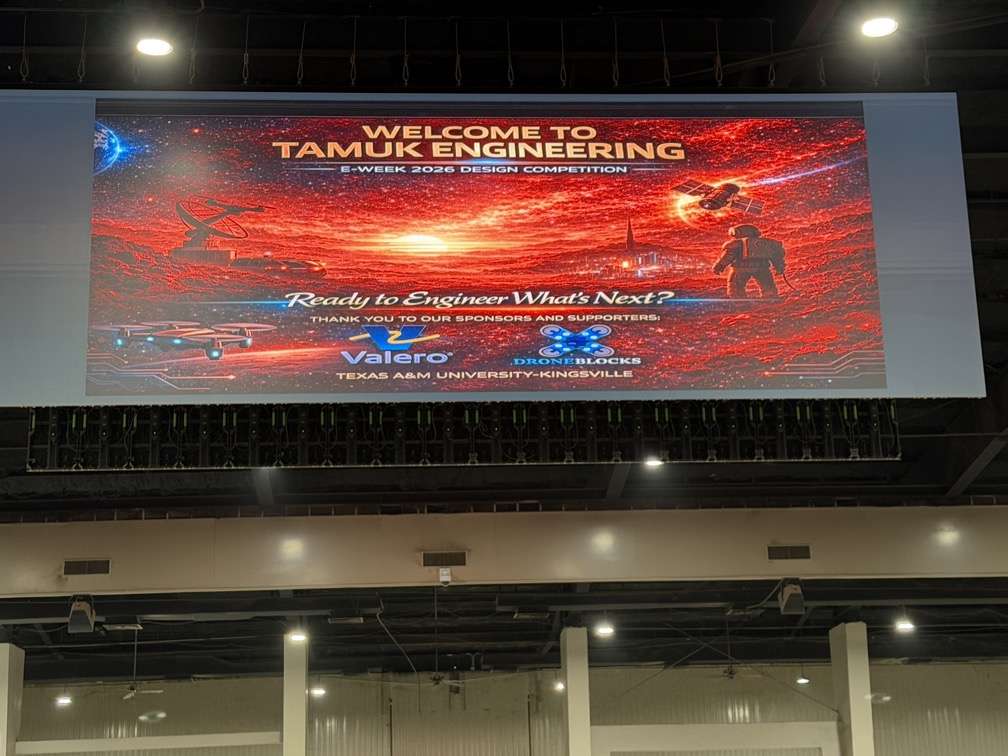
Time passed. Marietta moved into a new role leading outreach for the College of Engineering at Texas A&M University in Kingsville. In October 2025, she reached out to the DroneBlock’s business development team and the conversation quickly evolved into something bigger:
Could DroneBlocks be part of TAMUK’s annual Engineering Week? Could we build a hands-on drone programming competition for their students — and use it as a way to get middle school and high school students from the surrounding area excited about STEM and engineering?
The answer was a resounding yes!
After our first meeting, Marietta put it simply: “I’m truly excited about the collaboration between DroneBlocks and Texas A&M University Kingsville!” That energy and enthusiasm carried the whole project.
Bridging Physical and Virtual
We knew we had to get the on-ramp process right from the start. Not every student walking into National Engineers Week (E Week) would have coding experience. Some may have never even seen a drone in person. In January, we shared Block Definition Signs and Block Coding Templates that Marietta’s team could use to show students the logic of drone programming with physical, hands-on blocks before they ever opened the simulator. It gave students a clear path from zero to flying.
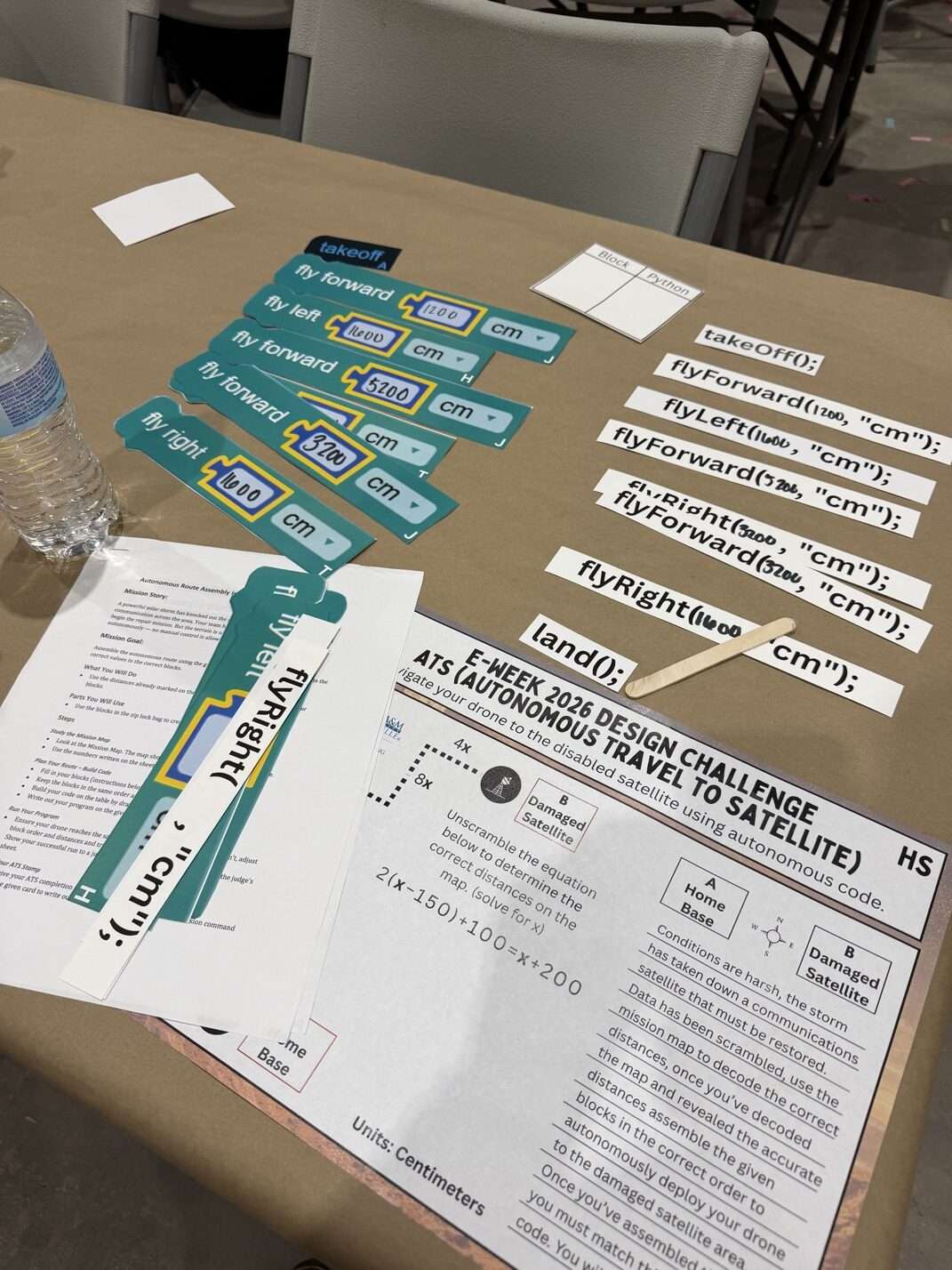
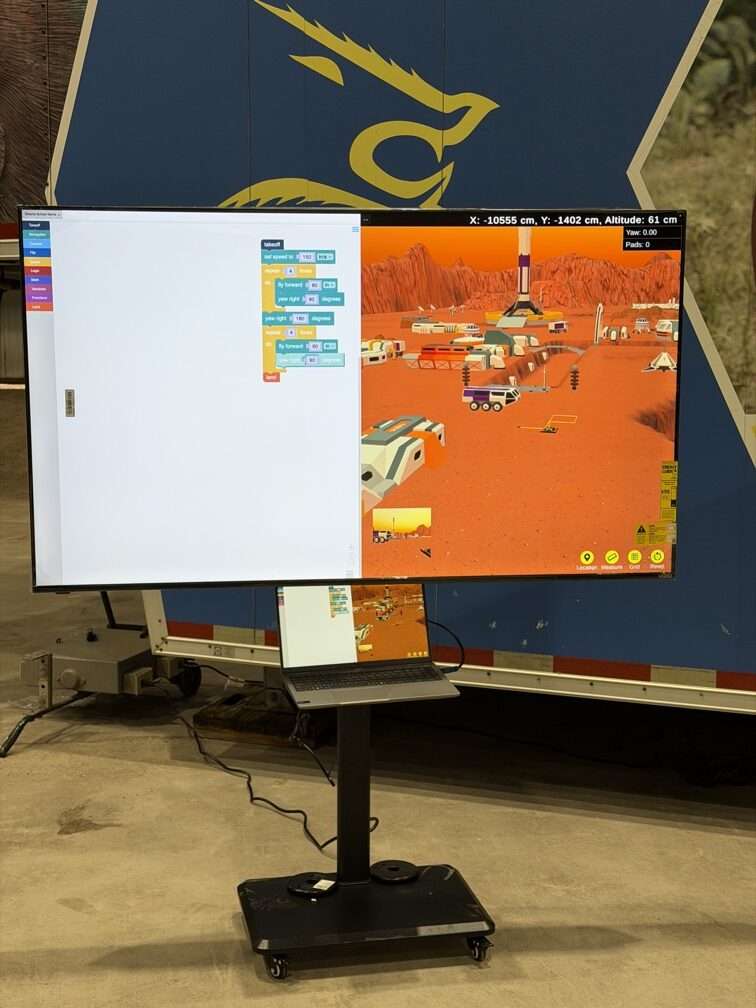
Students can plan and build their mission solution with physical, printed blocks. Then they can snap a photo, upload it to the sim and have an AI model convert their physical block photo to virtual drone commands! And the coolest thing about this workflow model? In the future, this will not only be in the simulation, but this will actually be possible with a real DEXI drone.
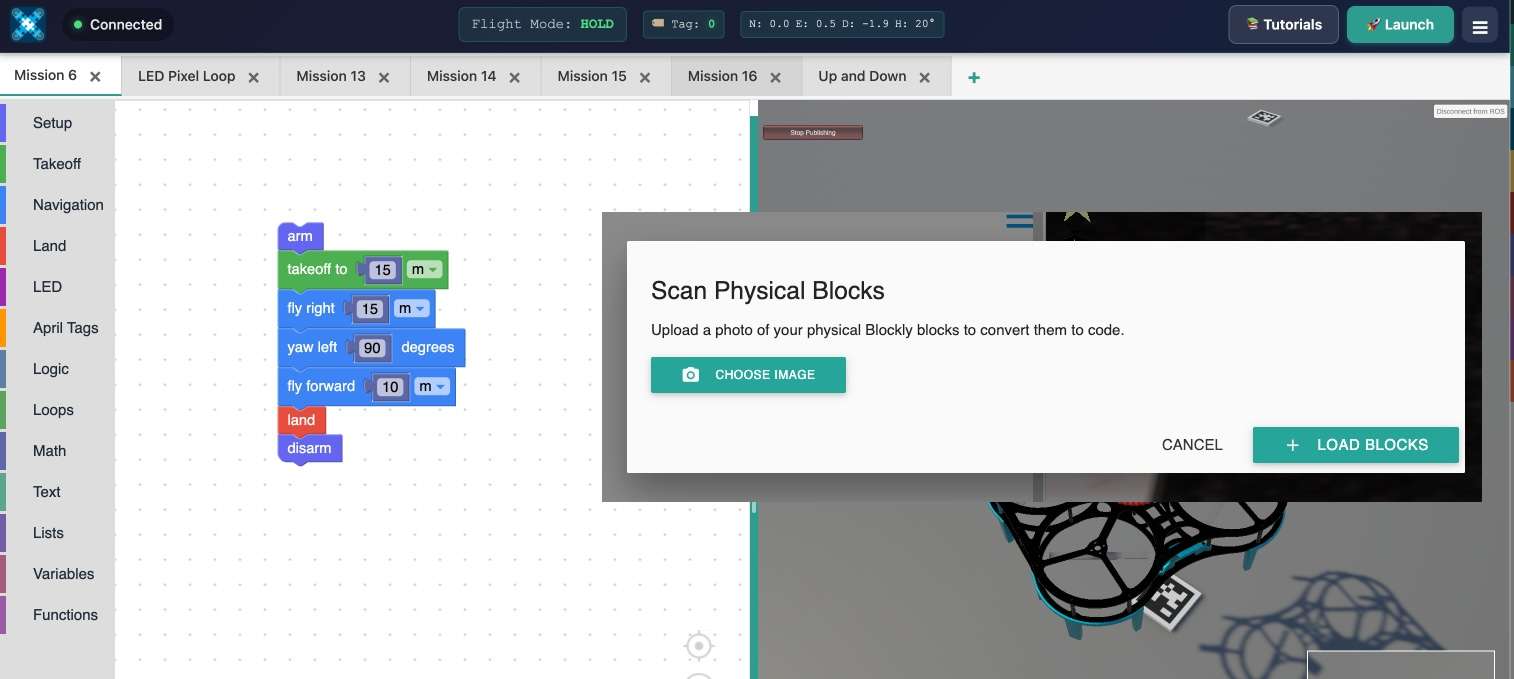
By mid-February, we brought in our Unity developer, Ben Holland, to refine the simulator for TAMUK’s challenge. We made a few small modifications to keep things simple for beginners, cleaned up the interface, and added a Python code view so more advanced students could dig deeper.
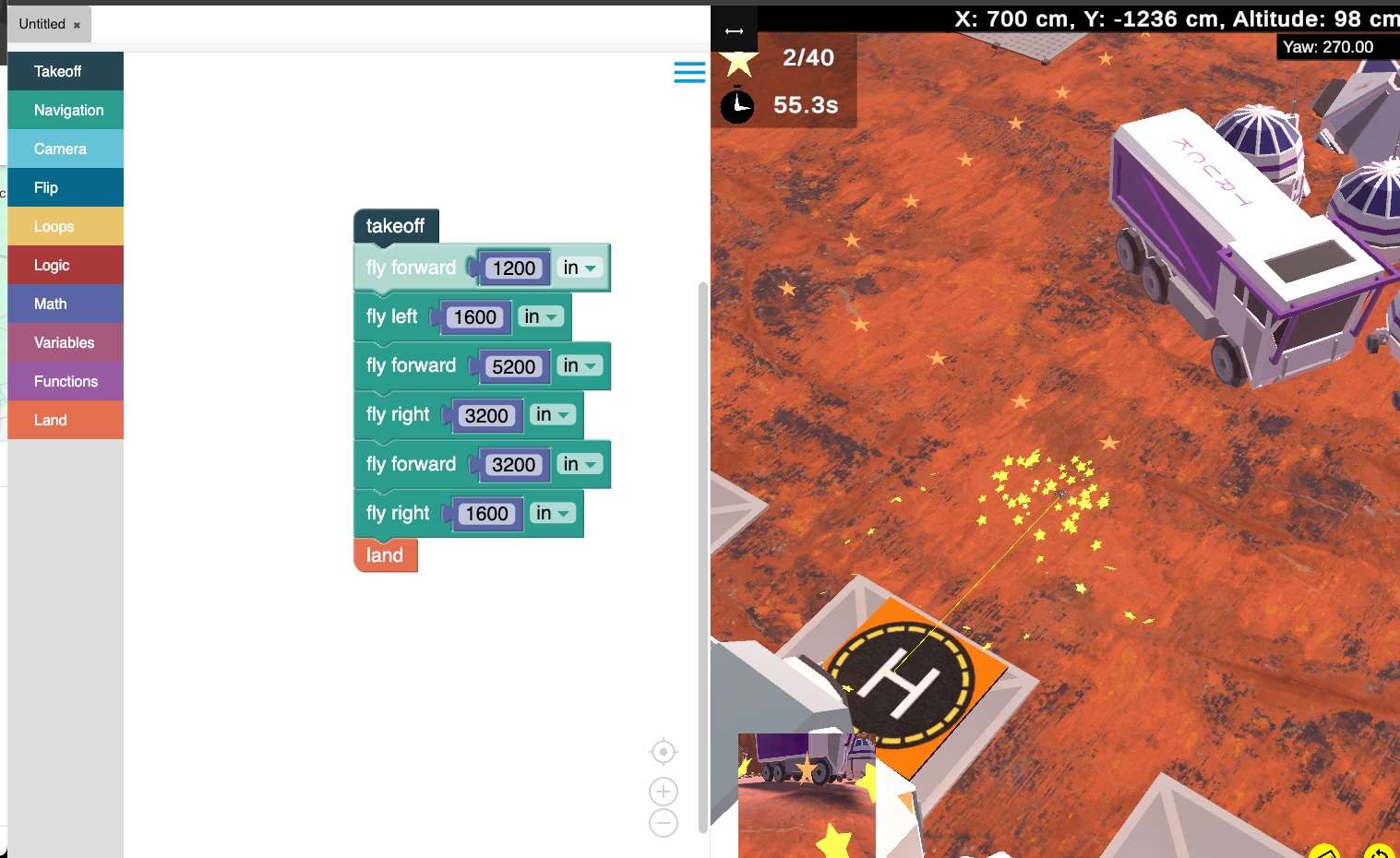
The Mars Sim Collectathon
The main feature at the event was the Mars Sim Collectathon — a drone navigation challenge set on a simulated Mars map. Based on our Mars simulator environment with multiple exploration screens, Marietta built a Map Directions Worksheet and created a coding challenge graphic with separate coding challenges. The first was for middle school students:
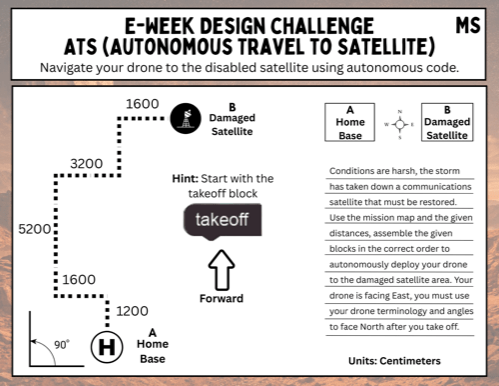
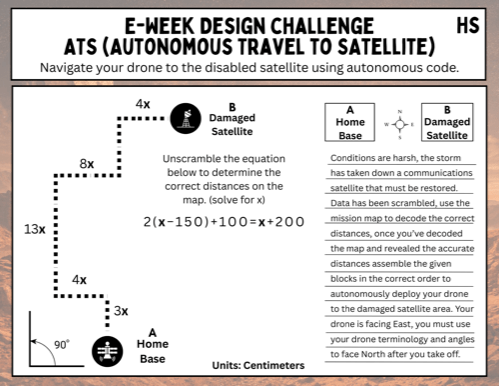
and the second was for high school students:
Why This Matters
This is exactly the kind of partnership that drives our mission. Marietta and her team brought hundreds of students — from university engineering majors down to middle school and high school visitors — face to face with drone programming, many for the first time. The competition format made it fun. The simulator made it accessible. And the physical coding blocks made it approachable for students who had never written a line of code.
The competition format made it fun and kept the students engaged and the energy level high. The simulator made it accessible. And the physical coding blocks made it approachable for students who had never written a line of code.
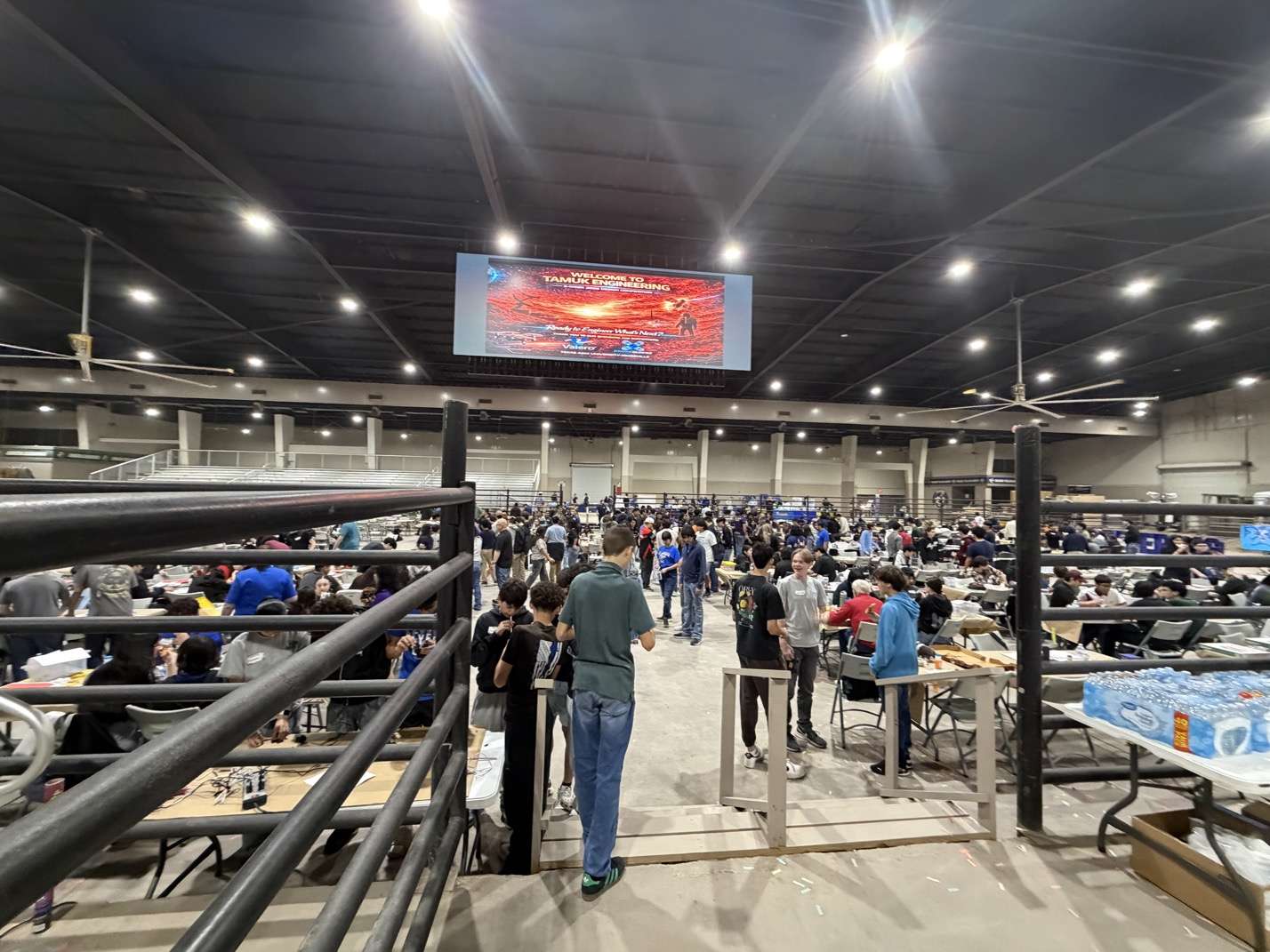
Getting younger students onto a university campus, working with real tools, and seeing what engineering looks like in real life— that’s how you build the pipeline. That’s Elevating K thru Life.
We’re proud to have been part of E-Week 2026, and we’re already looking forward to what comes next.
Interested in bringing DroneBlocks to your school’s STEM event? Contact us to explore partnership opportunities.
Give Your School District Wings
Talk with DroneBlocks about enrolling your school in the most innovative STEM education programs.